

Have you ever sat in a park, enjoyed a cup of coffee at a neighborhood café, or wandered through a historic downtown and wished you could capture the moment? Urban sketching offers a wonderful way to slow down, observe the world around you, and preserve memories in a deeply personal way.

Unlike creating artwork from photographs or imagination, urban sketching is the practice of drawing what you see while you’re actually there. It doesn’t require expensive equipment, formal art training, or years of experience. All you need is a sketchbook, a pencil or pen, and the willingness to look a little closer at the world around you.
Best of all, urban sketching isn’t about creating perfect drawings. It’s about recording your experiences, improving your observation skills, and enjoying the simple act of making art. Every page becomes a visual journal of places you’ve visited and moments you’ve experienced.
What Is Urban Sketching?
Urban sketching is the practice of drawing and painting scenes on location. The subject can be almost anything:
- Historic buildings
- Neighborhood streets
- Parks and gardens
- Coffee shops
- Farmers markets
- Museums
- Trains and buses
- People enjoying everyday life
- Storefronts and city skylines
The goal isn’t to produce a flawless illustration. Instead, urban sketchers document the world as they experience it. Every sketch tells a story about a place and a moment in time.
Some artists create detailed architectural drawings, while others prefer quick five-minute sketches filled with loose lines and watercolor washes. Both approaches are equally valid because urban sketching is about observation, not perfection.

Start with Simple Supplies
One of the best things about urban sketching is how little equipment you need to begin.
A basic starter kit might include:
- A small sketchbook that fits easily into a backpack or shoulder bag
- Graphite pencils for initial sketches
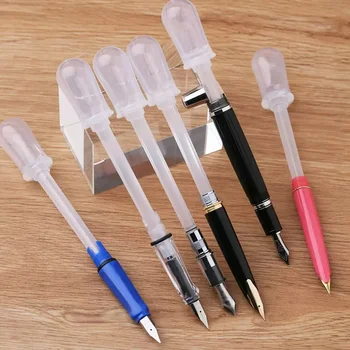
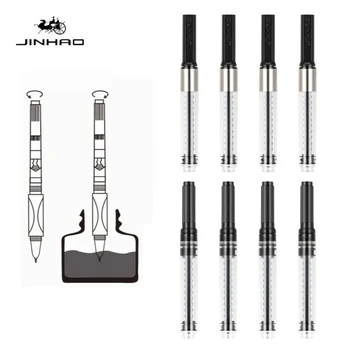
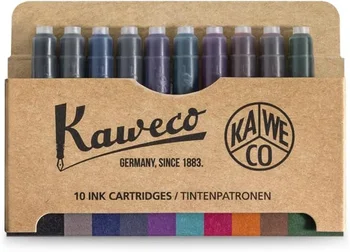
- Waterproof fine liner pens or a Fountain Pen with waterproof ink (if you plan to do a watercolor wash over the sketch)
- A kneaded eraser
- A compact watercolor set
- A small watercolor brush or water brush
- A pencil sharpener
- A lightweight folding stool if you plan to sketch for longer periods
Many experienced urban sketchers carry everything they need in a small pouch. Keeping your supplies portable makes it easy to sketch whenever inspiration strikes.
Don’t feel pressured to buy premium supplies right away. A simple notebook and pencil are more than enough to start developing your skills.
Learn to Observe Before You Draw
One of the greatest lessons urban sketching teaches is how to truly see.
Before putting pencil to paper, spend a few minutes simply observing your surroundings. Notice the way sunlight falls across a building. Look at the shapes of tree branches or the patterns created by brickwork. Watch people walking, talking, or enjoying lunch at a nearby café.
You don’t have to draw every detail. In fact, leaving out unnecessary information often creates a stronger sketch.
Ask yourself:
- What first caught my attention?
- What makes this place unique?
- What feeling do I want to remember?
Those answers will guide your sketch far more effectively than trying to copy every window or every leaf.
Don’t Chase Perfection
One of the biggest mistakes beginners make is expecting every sketch to look like a finished illustration.
It won’t.
And that’s perfectly okay.
Urban sketching is about documenting experiences, not creating museum-quality artwork. Some sketches may only take five minutes. Others may feel unfinished. Perspective may be slightly off, proportions may not be perfect, and your ink lines may wobble.
None of those things diminish the value of your sketch.
Every page represents time spent slowing down, observing your surroundings, and practicing your creativity. Over time you’ll naturally improve, but improvement should never become the only reason you sketch.
The goal isn’t perfection.
The goal is paying attention.
Add Sketch Journaling
Many urban sketchers combine drawing with written observations in what’s known as a sketch journal.

Alongside your drawing, consider writing:
- The date
- The location
- The weather
- Interesting conversations you overheard
- What you were eating or drinking
- How the place made you feel
- Tape or glue in train ticket, receipt or the peeled label off the adult beverage you had while sketching. Make that real world item part of the captured memory
These simple notes transform a sketchbook into a personal travel journal filled with memories that photographs often fail to capture.
Years later, you’ll remember far more than what a building looked like—you’ll remember how that afternoon felt.
Make Time to Sketch Regularly
Like any hobby, consistency matters more than marathon sessions.
Instead of waiting for vacations or special outings, look for everyday opportunities.
Instead of reaching for your phone and doom scrolling reach for your sketchbook.
Sketch while waiting for an appointment.
Draw your favorite coffee shop or the cup of coffee you just ordered.
Capture your neighborhood park.
Sketch your bicycle, your front porch, or even the view from your kitchen window.
Everyday scenes often become your favorite memories because they represent ordinary life.
Even five, fifteen or twenty minutes a few times each week can help you build confidence and improve your observation skills.
Join the Urban Sketching Community
One of the joys of urban sketching is sharing the experience with others.
Many cities have local sketch groups that meet in parks, museums, downtown districts, botanical gardens, or cafés. Sketching alongside others is a wonderful way to stay motivated, exchange ideas, and discover new locations.
You don’t need to compare your work with anyone else’s. Every sketcher has a unique style, and that’s part of what makes the community so welcoming.
Whether you’re drawing detailed architecture or loose watercolor impressions, your perspective is uniquely yours.

Enjoy the Process
Perhaps the greatest lesson urban sketching teaches is to slow down.
Instead of rushing through a beautiful location to take a quick photo, you spend time observing. You notice textures, shadows, sounds, colors, and details that most people walk right past.
The finished sketch doesn’t have to be perfect. It doesn’t even have to be frame-worthy.
What matters is that you paused long enough to experience the moment.
Each page in your sketchbook becomes more than a drawing—it becomes a memory made by hand.
Final Thoughts
Urban sketching is one of the most rewarding creative hobbies because it combines art, observation, mindfulness, and exploration. It encourages you to look at familiar places with fresh eyes while building a lasting visual record of your experiences.
Whether you’re sketching a busy downtown street, a quiet neighborhood café, a historic courthouse, or a peaceful park bench, every drawing is an opportunity to slow down and appreciate the world around you.
Remember, your sketchbook isn’t a gallery—it’s a journey. Don’t worry about making every page perfect. The true reward comes from the act of observing, creating, and enjoying the moment, one sketch at a time.




0 Comments