
Introduction to Sustainable Crafting with Recycled Materials
In a world increasingly conscious of environmental impact, sustainable crafting with recycled materials emerges as a creative yet conscientious endeavor. The practice not only nurtures individual creativity but also significantly contributes to environmental conservation by reducing waste. Crafting with recycled materials involves transforming everyday discarded items into valuable art pieces, home décor, or functional tools, thereby epitomizing the essence of upcycling.
For those passionate about sustainability, recycled crafting presents an opportunity to align hobbies with values, offering a sense of purpose and fulfillment. The rise in popularity of DIY projects has further fueled interest in this sustainable practice. By choosing recycled materials, crafters not only minimize their ecological footprint but also inspire others to adopt eco-friendly habits.
This approach to craftsmanship is not only about creating aesthetically pleasing objects but also about telling a story through each piece. Every material used carries its own history, and the transformation process adds layers of meaning and value. Moreover, sustainable crafting is accessible to all, requiring minimal investment—most materials can be found around the home, in nature, or through community swaps, making it an inclusive endeavor.
As we delve deeper into the world of crafting with recycled materials, we invite you to explore the myriad possibilities it offers. Whether you’re a seasoned crafter or a novice, embracing sustainable practices can ignite creativity and foster a deeper connection to the environment. Ready to embark on your sustainable crafting journey? Check out our [guide to getting started](#) and join a community of like-minded creators committed to making a difference.
Benefits of Using Recycled Materials in DIY Projects
In an era where sustainability is more than a buzzword but a necessity, crafting with recycled materials offers a myriad of benefits that extend beyond the obvious environmental impact. By integrating recycled components into DIY projects, crafters not only contribute to reducing landfill waste but also embrace a cost-effective way to engage in their passion. Let’s delve into the manifold advantages of using recycled materials in your DIY endeavors.
Environmental Impact
Foremost, using recycled materials minimizes the demand for raw resources, subsequently reducing the energy consumption and pollution associated with manufacturing new products. Each time you repurpose a glass jar or a cardboard box, you are actively participating in the conservation of precious natural resources and aiding in the fight against climate change. This simple act of recycling resonates on a larger scale, contributing to a healthier planet.
Cost Efficiency
Aside from its ecological benefits, crafting with recycled materials is economically savvy. The cost savings are significant, as these materials are often freely available or considerably cheaper than new materials. This affordability can empower more individuals to partake in DIY projects, expanding accessibility across different communities.
Fostering Creativity
Recycled materials also ignite creativity, challenging crafters to think outside the box. The unique textures and forms found in discarded items inspire innovative solutions and artistic expression. This not only enhances personal creativity but also encourages a culture of innovation.
Embracing recycled materials in your DIY projects is a win-win situation. It supports ecological sustainability, offers economic advantages, and fosters creative ingenuity. As you embark on your next project, consider the impact of your choices and join a growing community committed to sustainable crafting. Ready to explore more sustainable crafting methods? Dive into our eco-friendly DIY guides [link].
Essential Tools and Materials for Recycled Crafting
Embarking on a journey of crafting with recycled materials is not only an environmentally responsible choice but also a creative and fulfilling endeavor. To ensure success in your sustainable DIY projects, it’s important to gather the essential tools and materials that will enable you to transform discarded items into beautiful and functional creations.
Basic Tools for Crafting
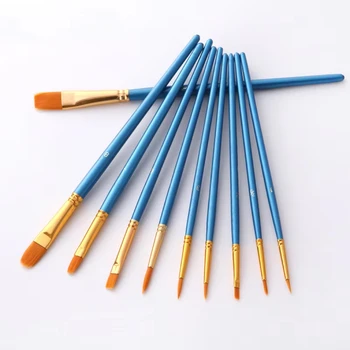
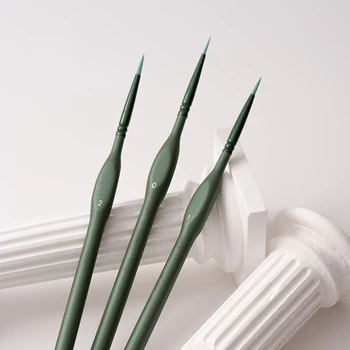
Every crafting enthusiast should have a toolkit that includes the basics: scissors for precise cutting, a utility knife for heavier materials, and a hot glue gun for quick and sturdy adhesion. A ruler or measuring tape is indispensable for ensuring accuracy, while a cutting mat can protect surfaces and provide a clean cutting area. Don’t forget a set of paintbrushes, as they are essential for adding color and personality to your recycled projects.
Materials to Recycle
- Paper and Cardboard: Old newspapers, magazines, and cardboard boxes can be repurposed into everything from decorative paper beads to sturdy storage boxes.
- Plastic Containers: Instead of discarding plastic bottles and containers, consider using them as planters or organizing units.
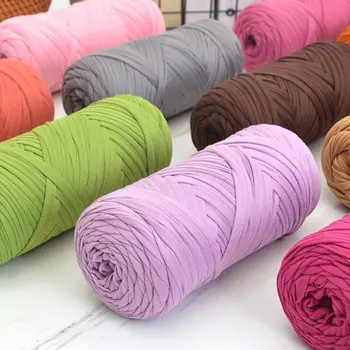
- Textiles: Fabric scraps, old clothing, and linens can be transformed into quilts, rugs, or even fashionable accessories.
- Glass Jars: These are perfect for creating candle holders or storage solutions with a vintage touch.
By equipping yourself with these tools and materials, you can embark on a multitude of projects that not only reduce waste but also spark creativity and innovation. Ready to dive deeper into sustainable crafting? Explore our tips and tricks for turning everyday items into extraordinary pieces [link]. If you have questions or need inspiration, feel free to contact us [link].
Creative Ideas for Recycled Craft Projects
Incorporating recycled materials into your DIY projects is a fantastic way to contribute to sustainability while expressing your creativity. With a little imagination, everyday items destined for the landfill can be transformed into beautiful and functional pieces. Let’s explore some inspiring recycled craft ideas that not only help the environment but also add a unique touch to your home.
Transforming Glass Jars into Stylish Storage
Old glass jars, such as those used for jams or sauces, can be repurposed into chic storage solutions. Simply clean the jars thoroughly, remove any labels, and paint them with your favorite color or pattern. These jars can then be used to organize kitchen staples, office supplies, or craft materials, adding both functionality and flair to any space.
Turning Cardboard into Decorative Wall Art
Cardboard is a versatile material that can be easily manipulated into various shapes and designs. Create stunning wall art by cutting cardboard into geometric shapes or letters, and then paint or wrap them with colorful paper. This not only brings a personal touch to your décor but also saves resources by reusing materials that would otherwise be discarded.
Crafting Planters from Plastic Bottles
Plastic bottles can be a surprising source of creativity when transformed into unique planters. Cut the bottles in half, decorate them with colorful paints or fabric, and fill them with soil and your favorite plants. These planters can hang from windows or walls, bringing a touch of green to your living space while reducing plastic waste.
Engaging in recycled craft projects not only supports sustainable living but also encourages a mindful approach to consumption. By reimagining the potential of discarded materials, you can create items that are both practical and aesthetically pleasing. Ready to start your sustainable crafting journey? Share your creations with us and inspire others to join the movement for a greener planet.
Step-by-Step Guide to a Simple Recycled Craft Project
Embarking on a journey to create with recycled materials not only fosters creativity but also supports sustainable practices, making it a winning choice for DIY enthusiasts. Here’s a step-by-step guide to crafting a delightful recycled paper vase that seamlessly blends functionality with eco-friendliness.
Materials Needed
- Old newspapers or magazines
- Scissors
- Glue or a glue stick
- A glass or plastic bottle
- Paint and brushes (optional for decoration)
Instructions
- Prepare the Paper: Cut the old newspapers or magazines into strips approximately one inch wide. Aim for uniformity to ensure a neat finish.
- Wrap the Bottle: Taking one strip at a time, apply glue along its length. Begin wrapping these strips around the bottle, starting from the bottom, and work your way to the top. Press firmly to secure each layer.
- Build Layers: Continue adding strips, overlapping slightly to cover any gaps. The more layers you add, the sturdier your vase will become.
- Finishing Touches: Once fully wrapped, let the vase dry. If desired, personalize it with a coat of paint or decorative patterns to add a splash of color.
This simple project not only gives a new life to discarded materials but also adds a charming piece to your home decor. By transforming waste into art, you contribute to a more sustainable lifestyle, while also honing your crafting skills.
Ready to explore more sustainable DIY ideas? Check out our comprehensive guide to eco-friendly crafting [link]. Feel free to share your creations in the comments or reach out for more tips and inspiration [link].

0 Comments